Concentration Camp Dachau private Driver Tour from Munich Introduction
A private tour to Dachau concentration camp from Munich offers the most respectful and comprehensive way to experience one of history’s most significant memorial sites. Our luxury chauffeur service provides door-to-door transportation in premium vehicles, allowing you to focus entirely on understanding the profound historical importance of the first Nazi concentration camp while traveling in comfort and privacy.
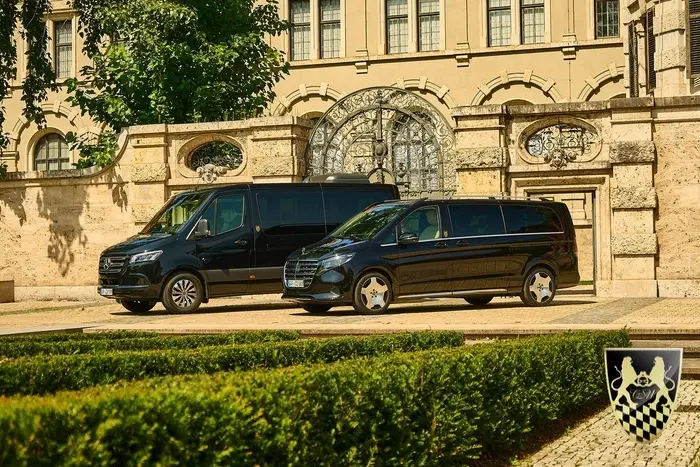
This service covers full-day and half-day private tours to the Dachau memorial site, featuring luxury vehicles, multilingual drivers, flexible scheduling, and completely transparent pricing. We serve international visitors, history enthusiasts, educational groups, and VIP travelers who require discretion, comfort, and a personalized experience when visiting this solemn historical site in southern Germany.
Direct answer: Professional private tours to concentration camp Dachau memorial start at €110 per hour, with all services included—no hidden costs, no surprises. Package options for half-day (4 hours) and full-day (8 hours) experiences are available.
What you’ll gain from this guide:
- Complete understanding of the Dachau memorial site and what you’ll experience during your visit
- Detailed comparison of tour options, pricing, and service advantages
- Private Driver tour from munich to Concentration Camp Dachau
- Practical information about entry requirements, tickets, and memorial guidelines
- Clear booking steps and answers to frequently asked questions
- Concentration Camp Dachau Driver Guide Tour from Munich
- Insight into why private luxury transport enhances this meaningful journey
Understanding Dachau Concentration Camp Memorial under the Nazi Regime
Dachau holds the somber distinction of being the first prisoners camp established by the Nazi regime. Heinrich Himmler ordered its creation on March 20, 1933, just weeks after Adolf Hitler became Chancellor of Germany. The camp was initially intended to intern the Nazi Party’s political opponents, including communists and social democrats, and was officially described by Heinrich Himmler as ‘the first concentration camp for political prisoners.’ The first prisoner transports arrived on March 22, 1933, carrying political prisoners—primarily Communists, Socialists, and other political opponents of the Nazi party.
Dachau was established on the site of an old munitions factory northeast of the town of Dachau, about 16 km northwest of Munich. After Kristallnacht, the prisoner population swelled dramatically. Many prisoners also arrived at Dachau via evacuation transports from other camps, especially during the later stages of the war as the Nazi regime attempted to move prisoners using trains, trucks, and forced marches.
Price list for the Concentration Camp Dachau tour with a personal tour guide and driver for the perfect tour from Munich to Dachau
Vehicle Type | Capacity | Duration | Price (€) | Notes |
|---|---|---|---|---|
Minivan | Up to 7 seats | Half-Day (4 hrs) | €150 per hour | Includes luxury minibus with chauffeur, fuel, parking, tolls |
Minivan | Up to 7 seats | Full-Day (8 hrs) | €150 per hour | Flexible itinerary and stops |
Minibus | 8 to 16 seats | Half-Day (4 hrs) | €180 per hour | Suitable for small groups with luxury minibus rental |
8 to 16 seats | Full-Day (8 hrs) | €180 per hour | Ideal for larger groups with luxury coach rental or educational tours | |
Please note that prices may vary depending on specific vehicle availability and any additional services requested. Contact us directly for a customized quote and to secure your preferred vehicle for your Dachau concentration camp tour. |
Concentration Camp Dachau became a model for other Nazi concentration camps, with its layout and building plans developed by Commandant Theodor Eicke. The camp was also used as a training center for SS guards and served as a prototype for the concentration camp system.
Historical Significance as the First Concentration Camp and Evolution
A concentration camp is a facility established by the Nazi regime for the imprisonment, forced labor, and systematic persecution of targeted groups. Dachau was the first regular concentration camp established by the National Socialist government, opening on 22 March 1933
The main Dachau camp operated continuously for twelve years until Allied forces liberated it on April 29, 1945, making it the longest-operating concentration camp in the Nazi concentration camp system. More than 200,000 concentration camp prisoners were registered here throughout its operational history, with over 30,000 documented deaths—though historians acknowledge thousands more prisoners died without being registered. Dachau evolved into a forced labor hub, holding over 200,000 prisoners throughout its history. The camp’s population included prisoners from more than 30 countries, with two-thirds being political prisoners and nearly one-third being Jews.
The camp’s purpose expanded dramatically over time. Initially designed to hold political prisoners, the Dachau camp system was enlarged to include forced labor and the imprisonment of various groups, including Jews and Romani. The system soon imprisoned Jewish prisoners, Jehovah’s Witnesses, Romani people, clergy imprisoned for their beliefs, and eventually Soviet prisoners of war. Mass executions were carried out at Dachau, including shootings and other systematic killings, particularly targeting Soviet POWs and other groups. The prisoner population swelled after Kristallnacht in November 1938, when nearly 11,000 German Jews were deported to Dachau following that night of nationwide terror.
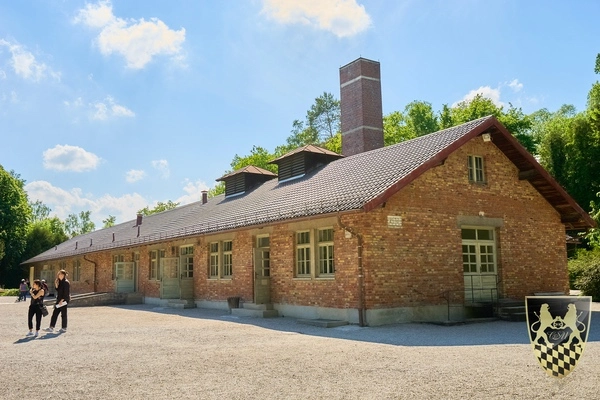
Liberation of Concentration Camp Dachau
- At the time of liberation, Dachau was freed by allied units, including the U.S. Seventh Army, which played a crucial role in securing the camp and documenting the horrific conditions found there. About 30,000 starving prisoners were present at the time.
- U.S. soldiers documented the horrific conditions in the camp upon liberation.
- After liberation, the death rate among prisoners fell from 200 per day to between 50 and 80 per day due to malnutrition and disease.
- The U.S. Army found more than 30 railroad cars filled with bodies in an advanced state of decomposition as they approached the camp.
- Following liberation, American forces worked to alleviate the appalling conditions at the camp, where an epidemic of black typhus was spreading.
- The camp was used to hold SS soldiers awaiting trial in the postwar years after its liberation.
- Dachau served as a military base for the United States after its closure in 1960.
Dachau expanded into a network of approximately 140 subcamps focused on armaments production to support the war effort. The camp system grew to include nearly 100 sub-camps, which were mostly work camps located throughout southern Germany and Austria. Many of these subcamps were established near armaments factories to increase war production, utilizing forced laborers and prisoner labor for construction, road building, and manufacturing under brutal conditions. Dachau became a central location for forced labor, with inmates working in various, often lethal, conditions. Prisoners were subjected to forced labor under terrible conditions, including construction projects and various industries, to support war production. Prisoners at Dachau lived in constant fear of brutal treatment and torture, including standing cells and floggings. Over 4,000 Soviet prisoners of war from the Soviet Union were executed at Dachau between 1941 and 1942. Prisoners who were deemed too sick or weak to work were often sent to the Hartheim killing center.
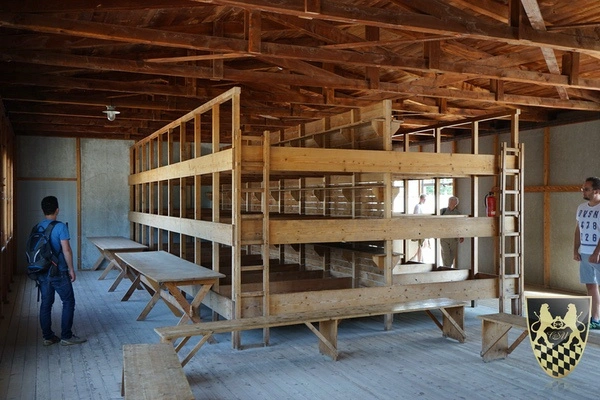
The camp became a training center for SS troops who would later operate other concentration camps throughout Nazi Germany. Medical experiments, including horrific hypothermia experiments, were conducted on prisoners. From 1942 to 1944, SS doctors selected more than 3,000 Dachau prisoners for transfer to the Hartheim killing facility in Austria.
Concentration Camp Dachau Tour – Current Memorial Status
Today, the site serves as a memorial and museum, offering visitors the opportunity to understand the full scope of Nazi persecution. The transformation from a place of suffering to an educational memorial makes Dachau essential for anyone seeking to comprehend the Holocaust and the concentration camp system that enabled mass murder on an industrial scale.
The memorial’s location approximately 10 miles northwest of Munich makes it accessible for day trips, connecting modern visitors with this crucial chapter of World War II history.
Memorial Site Layout and Key Areas
The camp area consisted of several distinct zones, each telling part of the story of what occurred here:
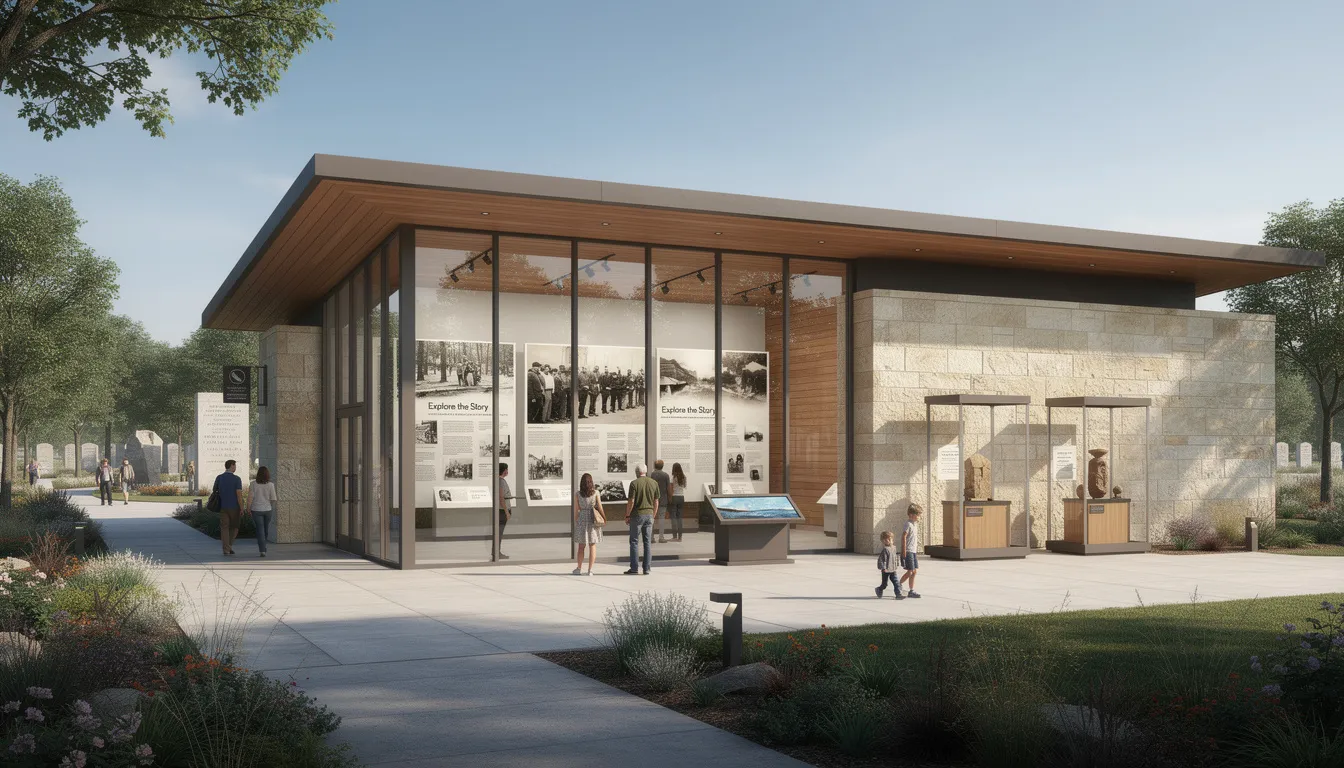
- Main exhibition building: Housed in the former maintenance facility, containing comprehensive displays about camp history, prisoner experiences, and the broader context of Nazi persecution
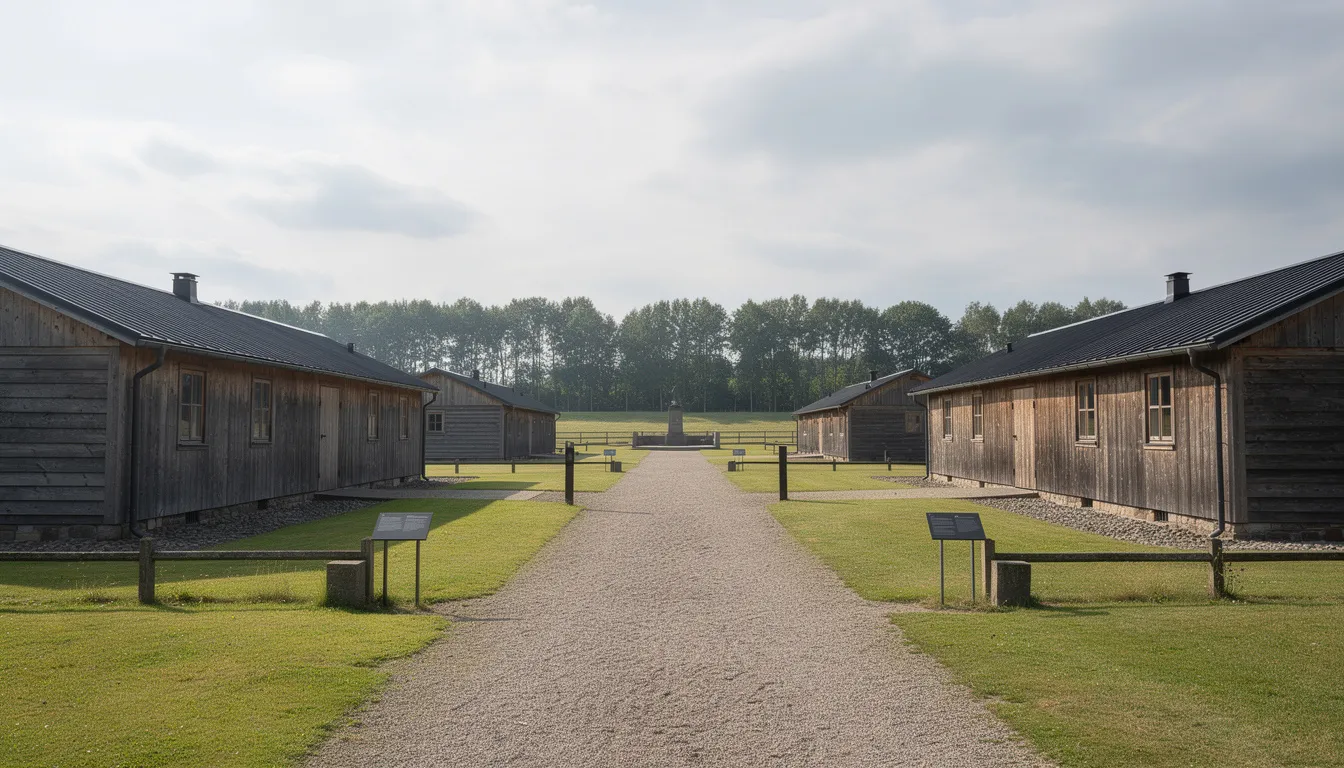
- Reconstructed barracks: Two prisoner barracks rebuilt to show living conditions—where tens of thousands endured overcrowding, disease, and forced labor
- Roll call square (Appellplatz): The central gathering area where prisoners stood for hours during counting, often in brutal weather conditions
- Bunker (prison within the prison): Where the camp commandant ordered special punishments, interrogations, and executions in the bunker courtyard
- Crematorium area: Including the original crematorium and later “Barrack X,” which contained a gas chamber (historians debate the extent of its operational use)
- Religious memorials: Catholic, Protestant, Jewish, and Russian Orthodox monuments honoring victims
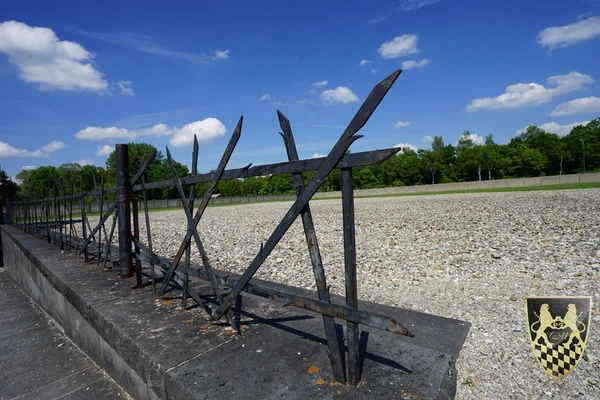
- Guard towers: Seven guard towers remain, positioned along the electrified barbed wire fence that made attempted escape nearly impossible
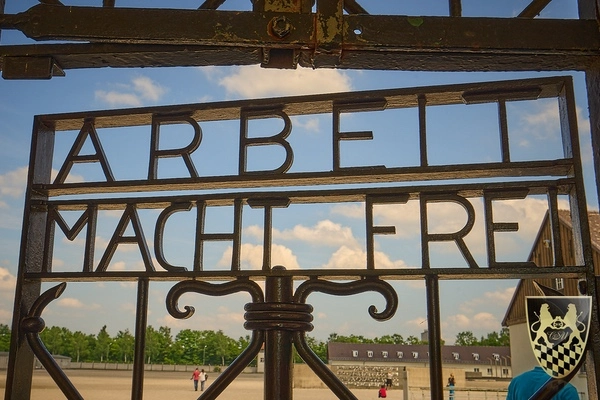
- Entrance gate: The infamous “Arbeit Macht Frei” (“Work Sets You Free”) gate inscription
- concentration camp at dachau
Concentration Camp Dachau private Tour from Munich – Visitor Guidelines and Requirements
Entry to the Dachau memorial is free, though advance registration for tours and audio guides is strongly recommended during peak seasons. The memorial asks visitors to maintain respectful behavior throughout their visit, recognizing that this is both a historical site and a place of mourning.
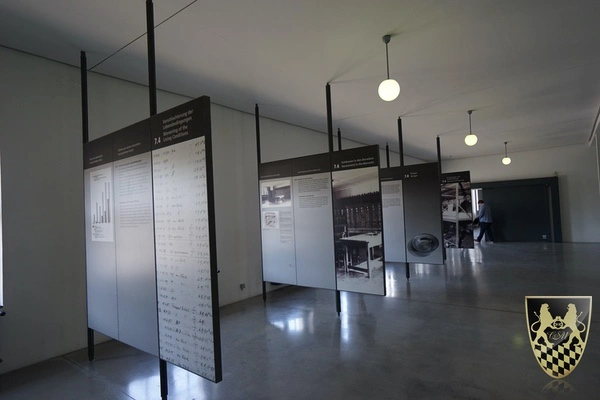
Photography is permitted in most outdoor areas and the museum, but some sections—particularly the crematorium—request visitors refrain from taking pictures out of respect for the victims. The memorial recommends the site for visitors aged 14 and older due to the graphic nature of historical displays and the emotional weight of the experience.
Visitors should plan for at least 2.5 to 4 hours to experience the memorial properly, though our private tour structure allows flexibility for personal reflection time.
Prisoner Life at Dachau: Daily Realities and Stories
Life for prisoners at Dachau concentration camp was defined by relentless hardship, deprivation, and the constant threat of violence. Established as the first concentration camp by the Nazi regime in 1933, Dachau was initially intended for political prisoners—those who opposed Adolf Hitler and the Nazi party, including communists, social democrats, and other political opponents. However, as the Dachau camp system expanded, its prisoner population grew to include Jewish prisoners, Roma, Jehovah’s Witnesses, gay men, and anyone the regime deemed “undesirable.”
From the moment the first prisoner transports arrived at the abandoned munitions factory in southern Germany, the camp commandant and SS troops enforced a strict regime of forced labor and discipline. Prisoners were compelled to work long hours in armaments factories and munitions production, supporting Nazi Germany’s war effort. The camp area consisted of 32 barracks, including one specifically for clergy imprisoned for their resistance to the Nazi regime. Daily life was marked by overcrowding, little or no food, and unsanitary conditions, which led to the rapid spread of disease and exhaustion among concentration camp prisoners.
The infamous entrance gate, inscribed with “Arbeit macht frei” (“Work will make you free”), greeted every new arrival—a cruel irony given the reality of forced labor and the camp’s true purpose. The camp remained essentially unchanged throughout its operation, with seven guard towers and an electrified barbed wire fence making escape nearly impossible. The bunker, a prison within the prison, was used for punishment and executions, while the SS shooting range and gas chamber became sites of mass murder, particularly for Soviet prisoners and others targeted by the Nazi regime.
As the war progressed and Allied forces advanced, Dachau became a central hub in the Nazi concentration camp system. Tens of thousands of prisoners arrived from evacuated camps, and many prisoners arrived weak, exhausted, and on the brink of death due to the harsh conditions of their transport—long, brutal journeys with little food or water. The camp commander ordered a brutal death march in the final days, forcing thousands of Dachau prisoners to march away from the main Dachau camp—many perished along the way due to starvation, exposure, or execution.
When Allied forces liberated Dachau on April 29, 1945, they uncovered the full extent of the atrocities committed within the camp. German civilians from the surrounding area were confronted with the evidence of mass murder and the suffering inflicted by the Nazi regime. The stories of those who attempted escape, resisted oppression, or simply endured are a testament to the resilience of the human spirit in the face of unimaginable cruelty.
Today, the Dachau concentration camp system stands as a powerful reminder of the dangers of intolerance and totalitarianism. The United States Holocaust Memorial Museum and other institutions continue to provide further information, ensuring that the experiences of Dachau prisoners and the lessons of the Holocaust are never forgotten. The legacy of Dachau compels us to remember the victims and to uphold the values of human rights and dignity for all.
Targeted Groups at concentration camp Dachau
- Dachau was notorious for holding a high concentration of religious leaders, particularly from occupied Poland.
- Jehovah’s Witnesses, homosexuals, and emigrants were sent to Dachau after the 1935 passage of the Nuremberg Laws.
- Over 11,000 German and Austrian Jews were sent to Dachau after the annexation of Austria and the Sudetenland in 1938.
- Sinti and Roma were sent to Dachau in the hundreds starting in 1939.
- As the German military occupied other European states, citizens from across Europe were sent to concentration camps, including Dachau.
- Dachau was used as a chief camp for Christian clergy who opposed the Nazi regime.
- The camp was originally designed for holding German and Austrian political prisoners and Jews, but later included ordinary criminals.
- Prisoners were classified by the nature of the crime for which they were accused, with political prisoners wearing red badges and criminals wearing green badges.
Dachau Concentration Camp – Our Private Driver Dachau Tour Service Options
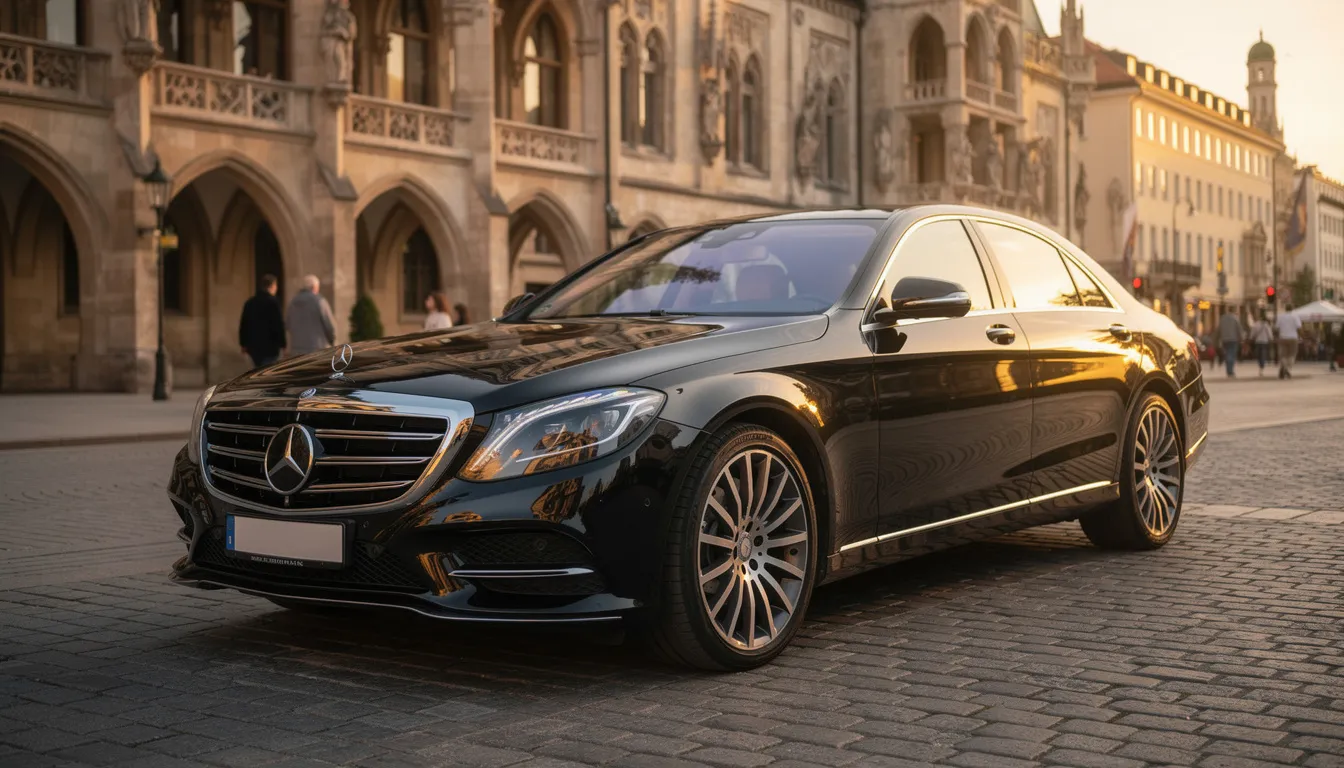
Understanding the historical gravity of the Dachau concentration camp requires an environment conducive to reflection and learning. Our limousine service in Munich with private luxury chauffeur eliminates the stress of public transportation and crowded group tours, allowing you to approach this memorial at your own pace, in complete comfort.
Half-Day Tour Package (4 hours) – Concentration Camp Dachau
Our most popular option provides sufficient time for a comprehensive memorial visit while fitting comfortably into a day with other plans.
What’s included:
- Hotel or airport pickup in Munich with a luxury Mercedes, BMW, or Audi vehicle
- Multilingual chauffeur with knowledge of the route and regional history
- Direct transport to Dachau memorial (approximately 30-40 minutes each way)
- Wait time at the memorial while you explore (typically 2-2.5 hours)
- Return transport to your Munich location
- Concentration Camp Dachau tour with private driver guide
- Bottled water and comfort amenities in vehicle
Recommended timeline:
- 9:00 AM pickup from Munich hotel
- 9:40 AM arrival at Dachau memorial
- 9:40 AM – 12:00 PM memorial exploration
- 12:00 PM departure for Munich
- 12:40 PM arrival at your Munich destination
Starting price: Package pricing available upon request, or €110/hour for approximately €440 total
Full-Day Tour Package (8 hours) – Concentration Camp Dachau
For visitors who want a deeper experience or wish to combine Dachau with other historically significant sites in southern Bavaria, our full-day option provides maximum flexibility.
Enhanced services:
- Extended time at the Dachau memorial for complete exploration
- Opportunity to visit the SS shooting range and satellite camps area outside the main camp
- Lunch stop at a traditional Bavarian restaurant (meal costs not included)
- Combination options: Nuremberg Nazi rally grounds, Eagle’s Nest, Munich historical sites
- Multiple comfort stops as needed
- Full route customization based on your interests
Ideal for:
- Academic and educational groups requiring thorough documentation
- Families tracing ancestry or historical connections
- Journalists, filmmakers, and researchers
- Visitors combining Holocaust memorial tourism with broader Third Reich history
Starting price: Package pricing available, or €110/hour for approximately €880 total
Hourly Booking Option
Our flexible hourly rate of €110 provides maximum control over your experience.
Advantages of hourly booking:
- Pay only for time you need
- Extend or shorten the tour based on your experience at the memorial
- No commitment to a fixed package structure
- Same premium service level as package tours
Minimum booking: 3 hours (recommended 4+ hours for a satisfying Dachau experience)
All hourly bookings include:
- Luxury vehicle with professional chauffeur
- Hire ad private driver for the Concentration Camp Dachau Tour from Munich
- All fuel, parking, and toll costs
- Multilingual driver assistance
- Private driver guide for our Concentration Camp Dachau Tour
- Flexible pickup and drop-off locations within Munich
Detailed Tour Experience and What You’ll See: Focus on Dachau Camp Prisoners
Visiting the site where the Nazi regime first systematized its persecution requires thoughtful planning. Our private tour structure ensures you experience every significant area without rushing.
Tour Itinerary and Timeline
Standard 4-hour tour flow:
- Pickup (0:00): Your chauffeur greets you at your Munich hotel or specified location
- Travel to Dachau (0:00-0:40): Comfortable ride through the Bavarian countryside; your driver can provide historical context about the region
- Visitor center (0:40-1:00): Collect audio guides, orient yourself to the site layout
- Main exhibition (1:00-2:00): Comprehensive museum documenting the camp’s history, from political prisoners to mass murder
- Prisoner barracks and roll call square (2:00-2:30): Experience the scale of forced labor operations and prisoner conditions
- Crematorium and memorials (2:30-3:10): The most solemn portion of the visit, including religious monuments
- Personal reflection time (3:10-3:20): Quiet moments before departure
- Return travel (3:20-4:00): Return to Munich with time for questions and processing
Full-day expansion options:
- Additional 1-2 hours at memorial for thorough exploration
- Lunch break at a nearby restaurant serving traditional Bavarian cuisine
- Afternoon visit to Munich’s Nazi documentation center or other World War II sites
Memorial Highlights Comparison
Area | Historical Significance | Recommended Time | Accessibility |
|---|---|---|---|
Main Exhibition | Documents the full 12-year history of the camp, including the death march of April 1945 when Allied forces advanced | 60-90 minutes | Fully accessible |
Prisoner Barracks | Shows where dachau camp prisoners endured overcrowding, disease, and little or no food | 20-30 minutes | Fully accessible |
Roll Call Square | Central gathering point demonstrating control mechanisms of the camp remained essentially unchanged throughout | 10-15 minutes | Fully accessible |
Crematorium/Bunker | Site of prisoner execution and body disposal; bunker courtyard witnessed numerous killings | 30-45 minutes | Partially accessible |
Religious Memorials | Honor victims of all faiths; includes monuments to clergy imprisoned here | 15-20 minutes | Fully accessible |
Original Camp Boundaries | Guard towers and electrified barbed wire fence remain standing | 10-15 minutes | Outdoor walking |
Prioritization guidance: First-time visitors should prioritize the main exhibition, one barracks, and the crematorium area. Those with deeper historical interest should include time for the bunker and memorial gardens. |
Booking Considerations and Service Advantages
Choosing how to visit Dachau significantly impacts your experience. Private transportation offers distinct advantages over alternatives.
Ticket Costs and Entry Requirements
Memorial admission: Free
Audio guide: €4.50 per person (highly recommended for independent visitors)
Guided tours through memorial: Available through the memorial’s own services; schedule varies seasonally
Group bookings: Educational groups should contact the memorial directly for special arrangements
What we coordinate:
- Parking logistics at the memorial
- Drop-off at the most convenient entrance point
- Pickup timing coordination based on your exploration pace
- Audio guide information in advance
Our Service vs Competitors
Factor | Our Private Service | Group Bus Tours | Public Transport |
|---|---|---|---|
Vehicle | Luxury Mercedes/BMW/Audi | Standard tour bus | S-Bahn + bus |
Departure time | Your schedule | Fixed (usually 9 AM) | Train schedule |
Duration flexibility | Unlimited | Strict timetable | Self-managed |
Privacy | Complete | Shared with 20-50 people | Public |
Commentary | Personal chauffeur insights | Group guide | Audio guide only |
Pricing transparency | €110/hour, all inclusive | €35-80/person + extras | ~€10 transport |
Door-to-door | Yes | Sometimes | No |
Rest stops | On request | Group decision | Self-managed |
Why our service excels: |
- Transparent pricing: €110 per hour includes everything—vehicle, fuel, chauffeur, parking, tolls. No surprise charges.
- Luxury fleet: Travel in vehicles befitting the gravity of this journey, not crowded buses
- Multilingual chauffeurs: Drivers speak English, German, and often additional languages
- No rushing: Unlike group tours with strict schedules, take the time you need for reflection
- Pickup flexibility: Hotels, airports, cruise ports, private residences—anywhere in Munich
Weather and Seasonal Considerations
The Dachau memorial operates year-round except certain holidays. Much of the site is outdoors, making weather preparation important.
Summer months (June-August):
- Longer operating hours
- Higher visitor numbers; early morning visits recommended
- Our air-conditioned vehicles provide relief between outdoor exploration
Winter months (November-February):
- Fewer visitors allow for more contemplative experience
- Cold temperatures require warm clothing for outdoor areas
- Our heated vehicles ensure comfort during transport
Rainy conditions:
- Outdoor memorial areas can be challenging; comfortable footwear essential
- Museum and exhibition areas provide shelter
- Our service includes umbrella provision upon request
Conclusion and Booking Next Steps
A private tour to Dachau concentration camp from Munich provides the dignity, comfort, and flexibility this profound memorial experience deserves. With luxury vehicles, professional multilingual chauffeurs, completely transparent pricing starting at €110 per hour, and the freedom to explore at your own pace, our service transforms a historically essential journey into a seamless, meaningful experience.
Immediate booking steps:
- Contact us via phone, email, or website inquiry with your preferred date and party size
- Receive confirmation with detailed itinerary and pricing within 24 hours
- Secure your booking with online payment (credit card, PayPal, or bank transfer accepted)
- Day of tour: Your chauffeur contacts you 30 minutes before pickup with vehicle details
Payment options: All major credit cards, PayPal, bank transfer, cash payment available
Related services you may consider:
- Nuremberg Nazi rally grounds and courtroom tour (full-day from Munich)
- Munich Third Reich walking tour with private guide
- Eagle’s Nest (Berchtesgaden) historical tour
- Airport transfers and Munich city transportation
FAQ’s – Frequently Asked Questions
How long does the Dachau tour take? The complete experience typically requires 4 hours minimum: approximately 40 minutes travel each way plus 2.5-3 hours at the memorial. Full-day tours (8 hours) allow for extended exploration and additional site visits.
What will we see during the memorial visit? You’ll experience the main exhibition museum, reconstructed prisoner barracks, the roll call square, crematorium and bunker areas, religious memorials, guard towers, the original entrance gate with “Arbeit Macht Frei” inscription, and the electrified barbed wire fence perimeter.
How much do tickets cost and what’s included? Memorial admission is free. Audio guides cost €4.50 per person. Our service at €110/hour includes luxury vehicle, chauffeur, all fuel, parking, and tolls—completely transparent with no hidden costs.
Can the tour be customized or combined with other attractions? Absolutely. Full-day tours can include the Nuremberg Nazi rally grounds, Munich’s Nazi documentation center, or other World War II historical sites. We customize routes based on your interests.
What type of vehicles do you provide? Our fleet includes Mercedes-Benz S-Class and E-Class, BMW 7-Series, and Audi A8 luxury sedans, as well as larger vehicles for groups up to 7 passengers.
Do your chauffeurs speak multiple languages? Yes. All chauffeurs are fluent in English and German, with many speaking additional languages including French, Spanish, Italian, and Russian.
What is your cancellation policy? Cancellations made 48 hours or more before departure receive a full refund. Cancellations within 48 hours are subject to a 50% charge. No-shows are charged in full.
Is the memorial suitable for children? The memorial recommends the site for visitors aged 14 and older due to graphic historical content. Families with younger children should carefully consider the emotional impact before visiting.
How do we book and what payment methods do you accept? Book via our website, email, or phone. We accept all major credit cards, PayPal, bank transfer, and cash. A confirmation is sent within 24 hours of booking.
Do you provide historical commentary during the tour? Our chauffeurs can provide general historical context and regional information. For detailed historical narration at the memorial itself, we recommend the official audio guide or booking a specialized guide through the memorial’s visitor services.
Here are a few tips and answers to any unresolved questions you may have about your Dachau concentration camp tour.
- Dachau was located on the grounds of an abandoned munitions factory northeast of the town of Dachau, about 16 km northwest of Munich.
- Dachau was liberated by U.S. forces on 29 April 1945, making it the third concentration camp to be liberated by Allied forces.
- Nazi physicians conducted brutal medical experiments on inmates at Dachau, including high-altitude tests and hypothermia studies.
- At least 25,613 prisoners are believed to have been murdered in the camp, primarily from disease, malnutrition, and suicide.
- The Dachau Memorial Site features a display that follows the path of new arrivals to the camp, highlighting the history of the site.
- The camp was surrounded by an electrified barbed-wire fence, a ditch, and a wall with guard towers.
- Overcrowding and poor sanitary conditions led to a typhus epidemic in late 1944, causing more than 15,000 deaths.
- Dachau served as a model for other concentration camps, influencing their organization and treatment of prisoners.
- Visitors can walk through the reconstructed barracks and view the crematoria at the Dachau Memorial Site.
- The Dachau Memorial Site offers educational materials and guided tours to help visitors understand the camp’s history and significance.
- The memorial at Dachau was established by former prisoners to honor the victims and educate future generations.